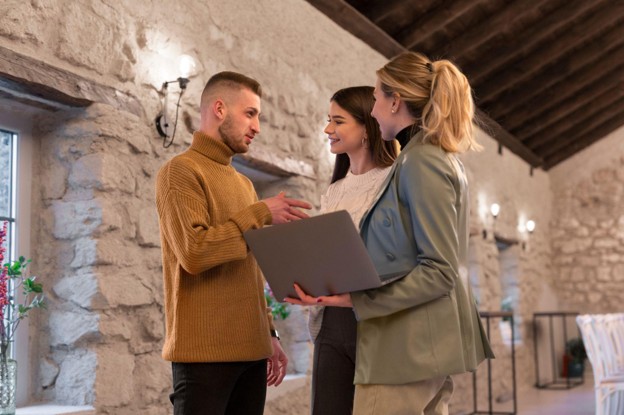
Building a custom home is one of the most significant investments a homeowner can make, and Chris Rapczynski understands that exceptional results begin long before construction starts. While quality materials and skilled craftsmanship are essential, successful custom homes are ultimately built on strong collaboration between homeowners, architects, designers, builders, and trade professionals. When every member of the project team shares information openly and works toward the same vision, the entire construction process becomes more efficient, transparent, and rewarding.
Collaboration is more than simply holding meetings or reviewing plans. It is an ongoing commitment to communication, problem-solving, and shared decision-making that continues from the earliest design discussions through the final walkthrough.
A Shared Vision Creates a Strong Foundation
Every successful custom home begins with understanding the homeowner’s goals.
Early collaboration allows project teams to discuss the following:
- Lifestyle priorities
- Architectural preferences
- Functional requirements
- Long-term plans
- Budget expectations
These conversations help establish a clear direction before design work progresses.
When everyone understands the project’s objectives from the beginning, decisions become more consistent throughout every stage of construction.
Architects and Builders Work Best as Partners
Architectural creativity and construction expertise complement one another.
When architects and builders collaborate early, they can:
- Improve design efficiency
- Identify practical construction solutions
- Evaluate material options
- Address potential challenges
- Maintain project goals
This partnership helps balance aesthetics with functionality, ensuring that creative ideas can be successfully translated into high-quality construction.
Early collaboration often prevents unnecessary redesigns later in the project.
Communication Reduces Costly Changes
One of the most common reasons projects experience delays or unexpected expenses is miscommunication.
Regular communication helps teams:
- Clarify expectations
- Confirm design decisions
- Review construction progress
- Resolve questions promptly
- Keep schedules aligned
Addressing concerns early allows adjustments to be made before they affect multiple phases of construction.
Clear communication helps everyone remain focused on delivering the desired outcome.
Collaboration Encourages Better Problem-Solving
Every construction project presents unique challenges.
Whether responding to site conditions, material availability, or design refinements, collaborative teams can evaluate solutions by combining different areas of expertise.
This process encourages:
- Creative thinking
- Practical decision-making
- Efficient coordination
- Shared responsibility
- Better long-term outcomes
Rather than working independently, professionals develop stronger solutions by learning from one another throughout the project.
Homeowners Play an Important Role
Custom homes are highly personal projects, making homeowner involvement essential.
Active participation helps ensure that decisions reflect the owner’s priorities regarding:
- Interior layouts
- Material selections
- Finishes
- Functional spaces
- Future lifestyle needs
Regular discussions allow homeowners to remain informed while providing valuable feedback as the project evolves.
This collaborative relationship creates greater confidence throughout the building experience.
Early Planning Improves Project Efficiency
Preparation is one of the greatest advantages of collaborative planning.
Project teams benefit by:
- Establishing realistic timelines
- Coordinating construction phases
- Confirming material selections
- Reviewing permit requirements
- Identifying potential risks
Thorough planning helps reduce unnecessary interruptions while allowing work to progress more smoothly.
Investing time in preparation often improves both efficiency and overall project quality.
Trust Strengthens Every Stage of Construction
Successful collaboration depends on mutual trust.
Trust develops through:
- Honest communication
- Consistent follow-through
- Professional accountability
- Respect for different expertise
- Transparent decision-making
When trust exists among project participants, conversations become more productive and challenges are resolved more efficiently.
Strong relationships create an environment where everyone remains focused on achieving the best possible outcome.
Collaboration Supports Quality Craftsmanship
Exceptional craftsmanship requires careful coordination among many skilled professionals.
Builders, designers, specialty contractors, and suppliers all contribute to the finished home.
Working together allows teams to:
- Maintain quality standards
- Coordinate installation schedules
- Protect finished work
- Resolve technical questions
- Deliver consistent results
This level of coordination helps preserve the integrity of the design while ensuring that every detail receives the attention it deserves.
Better Experiences Lead to Better Homes
A successful custom home is measured not only by its appearance but also by the experience of creating it.
Collaborative projects often result in:
- Stronger working relationships
- Greater client confidence
- Improved project organization
- Better communication
- Higher overall satisfaction
When collaboration remains a priority throughout the construction process, homeowners enjoy greater peace of mind while project teams deliver work they can take pride in.
Final Thoughts
The best custom homes begin with better collaboration because outstanding construction is the result of shared expertise, thoughtful planning, and open communication. From the first design conversation through the final stages of construction, architects, builders, designers, and homeowners each play an important role in creating a home that reflects both exceptional craftsmanship and the owner’s vision.
By investing in strong partnerships and maintaining clear communication throughout the project, custom home teams create a smoother building experience while delivering homes that offer lasting quality, functionality, and timeless design. Collaboration is not simply one part of the process; it is the foundation upon which truly exceptional homes are built.